The whole system stays reliable, not just individual agents.
Multiple agents, one objective. Orchestration quality, sub-agent delegation, information flow, and system-level outcomes — all monitored continuously. When one agent drifts, the whole system knows.
The team outperforms the sum of its parts.
Individual agent scores can look fine while the system fails. System-level certification evaluates the aggregate outcome — delegation correctness, coordination quality, and whether the team outperforms any single agent.
The right task reaches the right agent.
Does the orchestrator assign tasks to the right sub-agents? Are instructions clear? Task decomposition, agent assignment, and information passing are all scored independently — so you know where the system breaks down.
Detect coordination failures before they cascade.
Redundant work, contradictory outputs, and deadlocks are system-level failures that individual agent monitoring misses. Multi-agent controls watch for coordination patterns that signal degradation.
Trace any system outcome to the agent that caused it.
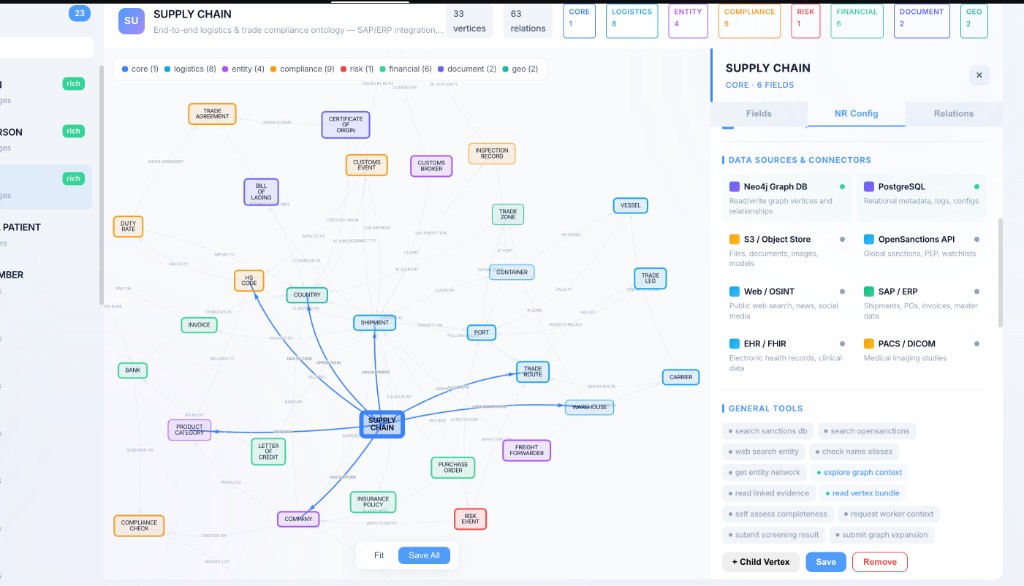
When a multi-agent system produces a bad result, you need to know which agent failed and why. The resolution graph traces every outcome through the delegation chain to the specific agent and step.
No agent silently burns through your budget.
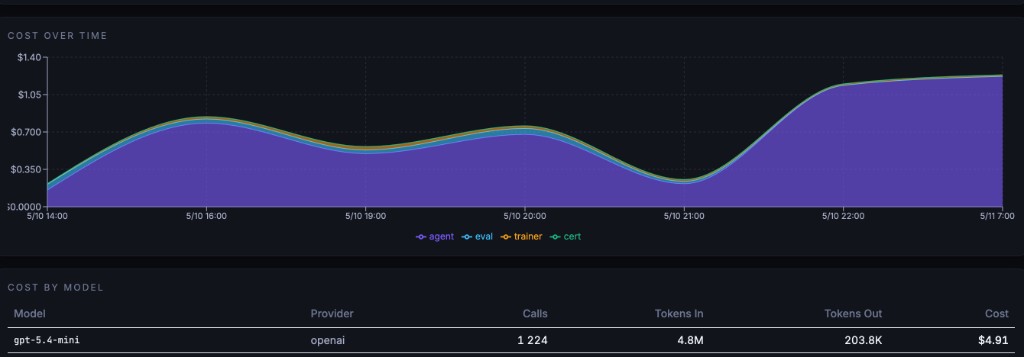
Multi-agent systems multiply cost. Stacked cost charts show spend per agent, per run, over time. Set system-level budgets and get alerts when any agent's contribution exceeds its share.
Multi-agent reliability you can demonstrate.
Orchestration quality, delegation accuracy, and coordination health — all visible and auditable.